Maximising Your HRDC Grant for Digital Upskilling
Most organisations in Malaysia view the HRDC levy as a training budget to be utilised. They track utilisation rates, schedule courses to meet compliance targets, and treat training as a box-ticking exercise.
Leading organisations take a different approach. They see HRDC-supported training as a strategic investment in business capability, workforce productivity, and long-term competitiveness.
The difference between these two approaches is not about claiming procedures or levy balances. It is about how training is connected to business outcomes.
HRDC Is More Than a Training Grant
The Human Resource Development Corporation (HRDC) levy system was established to encourage structured workforce development. Organisations that treat it purely as a funding mechanism miss the larger opportunity.
When training is planned around business strategy rather than grant utilisation, the outcomes shift from attendance counts to measurable improvements in productivity, capability, and business performance.
The most effective organisations do not ask, "How do we use our levy?" They ask, "What capabilities does our business need to achieve its strategic objectives, and how can HRDC-supported training help us build them?"
Align Training with Business Strategy
Training that is disconnected from business strategy delivers limited value. To maximise the impact of HRDC investment, organisations should ensure that every training initiative supports one or more strategic priorities.
Digital Transformation. As organisations adopt new technologies, structured training programs ensure that employees can effectively use digital tools, adapt to new workflows, and contribute to transformation initiatives rather than resist them.
AI Adoption. Artificial intelligence is reshaping business processes across every industry. Training programs that build AI literacy and practical skills enable organisations to adopt AI with confidence rather than uncertainty.
Leadership Development. Building a pipeline of capable leaders is one of the highest-impact uses of training investment. Leadership programs that focus on digital fluency, strategic thinking, and change management prepare organisations for future challenges.
Productivity Improvement. Training that directly improves how work gets done, through automation skills, process optimisation, or digital tool proficiency, delivers immediate and measurable returns.
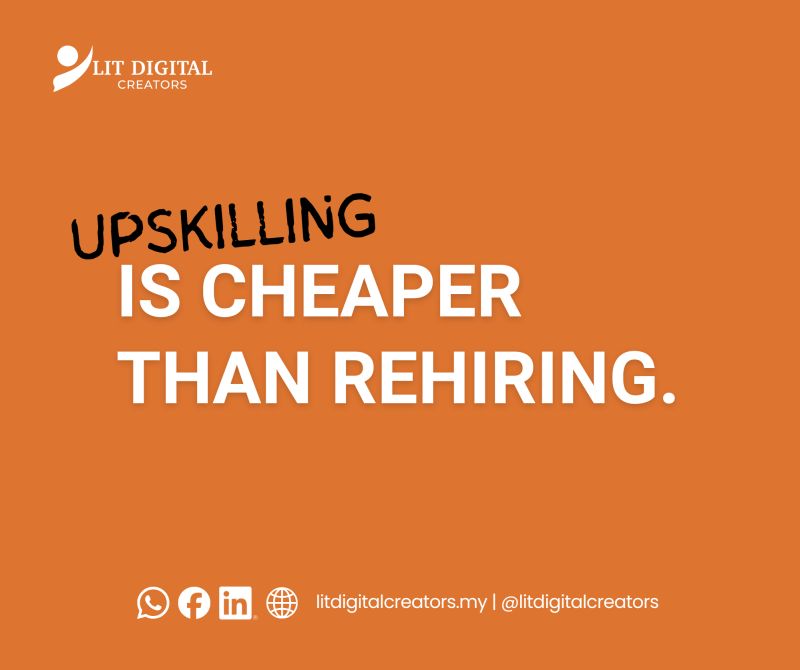
Workforce Capability. Building a culture of continuous learning ensures that organisations are not perpetually behind on skills. Structured upskilling programs reduce reliance on external hiring and build institutional knowledge.
Why Digital Upskilling Matters
Digital skills are no longer the domain of IT departments. Every business function, from HR and finance to sales, operations, and customer service, now depends on digital tools and data-driven decision-making.
HR teams need data analytics skills for workforce planning. Finance professionals need proficiency with automated reporting and forecasting tools. Sales teams need digital communication and CRM skills. Operations teams need process automation and supply chain technology capabilities.
When organisations invest in digital upskilling across all functions, they create a workforce that can adapt to technological change rather than being disrupted by it. This capability gap is one of the most significant risks facing organisations today.
HRDC-supported training provides a practical mechanism for addressing this gap at scale, without the cost burden falling entirely on the organisation.
Measuring Training Success Beyond Attendance
Attendance rates and training hours are poor indicators of business impact. Organisations that maximise the value of HRDC investment measure success using business-relevant metrics.
Productivity improvements. Are teams completing tasks faster or with fewer errors after training? Measuring pre- and post-training productivity provides a direct indicator of training effectiveness.
Time savings. How much time do employees save by using new digital tools or processes learned through training? Quantified time savings translate directly into cost savings and capacity gains.
Digital adoption rates. Are employees actively using the digital tools and platforms that training was designed to introduce? Adoption metrics reveal whether training has translated into behaviour change.
Employee capability growth. Pre- and post-training assessments, certification completion rates, and manager feedback provide qualitative and quantitative measures of skill development.
Process efficiency. For training aimed at operational improvements, metrics such as cycle time, error rates, and throughput provide clear indicators of business impact.
Making the Most of HRDC Support
Maximising the business impact of HRDC investment requires a strategic approach rather than an administrative one. The following recommendations can help organisations shift from grant utilisation to capability building.
Develop a multi-year training plan aligned to business strategy. Annual training plans should reflect strategic priorities rather than available levy balance. A three-year capability roadmap ensures continuity and depth.
Invest in measurable training programs. Choose programs that define clear learning outcomes and business metrics. Avoid training that cannot demonstrate a return on investment beyond attendance.
Prioritise digital and future skills. Allocate a significant portion of training investment to digital skills, AI literacy, and leadership development. These areas deliver the highest long-term return.
Measure outcomes, not just attendance. Establish baseline metrics before training begins and measure improvement after program completion. This data informs future investment decisions and demonstrates value to stakeholders.
Build an internal culture of learning. The most successful organisations treat learning as a continuous process rather than a scheduled event. Encourage self-directed learning, knowledge sharing, and manager-led coaching alongside formal training programs.
Conclusion
HRDC-supported training represents one of the most accessible and scalable mechanisms for building workforce capability in Malaysia. The organisations that benefit most are not those with the highest utilisation rates. They are those that treat training as a strategic investment in business performance.
By aligning training with business strategy, measuring outcomes that matter, and focusing on digital and future skills, organisations can transform their HRDC investment from a compliance requirement into a competitive advantage.
COMPLIMENTARY WEBINAR
AI for Leaders
Complimentary 1Hour Online Webinar
You will learn:
- AI trends every business leader should understand
- Practical AI use cases across business functions
- Common mistakes organisations make when adopting AI
- Building an AI adoption roadmap
- Live Q&A session
Continue the Conversation on LinkedIn
View LinkedIn DiscussionRelated Articles
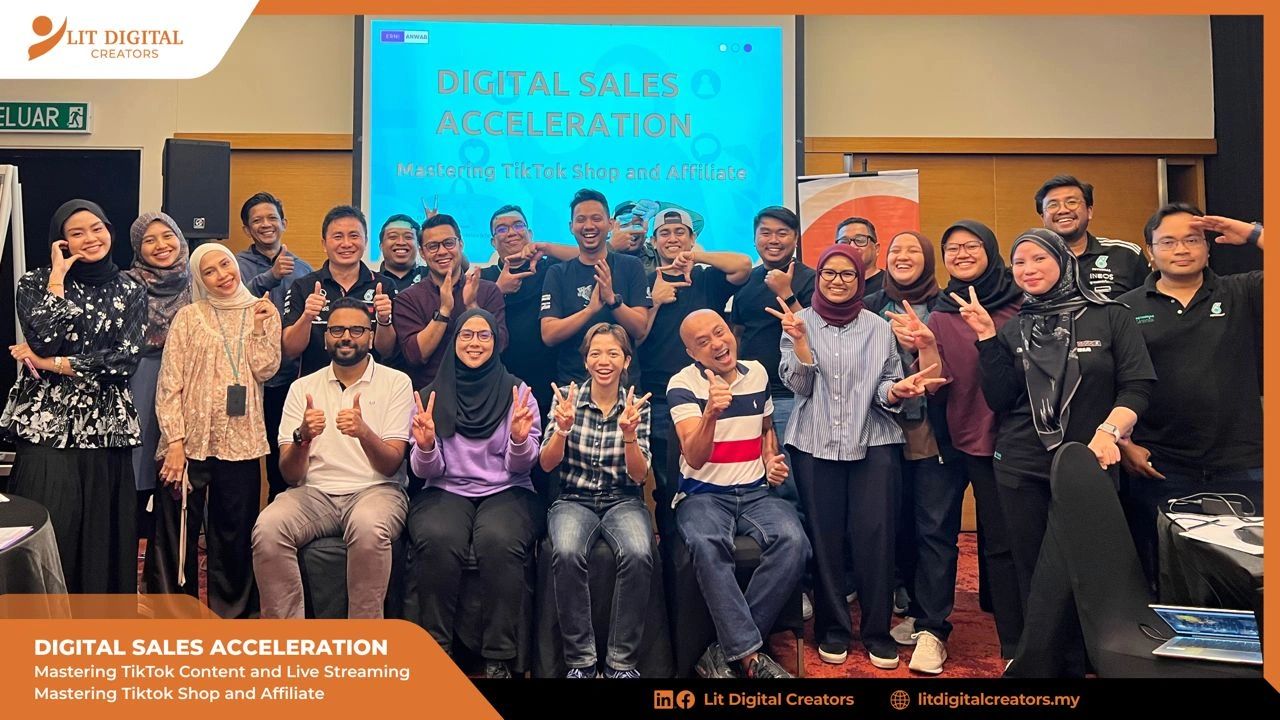
The Future of Work: Why Digital Skills Matter More Than Ever
Explore the key digital competencies your workforce needs to thrive in an era of rapid technological change.
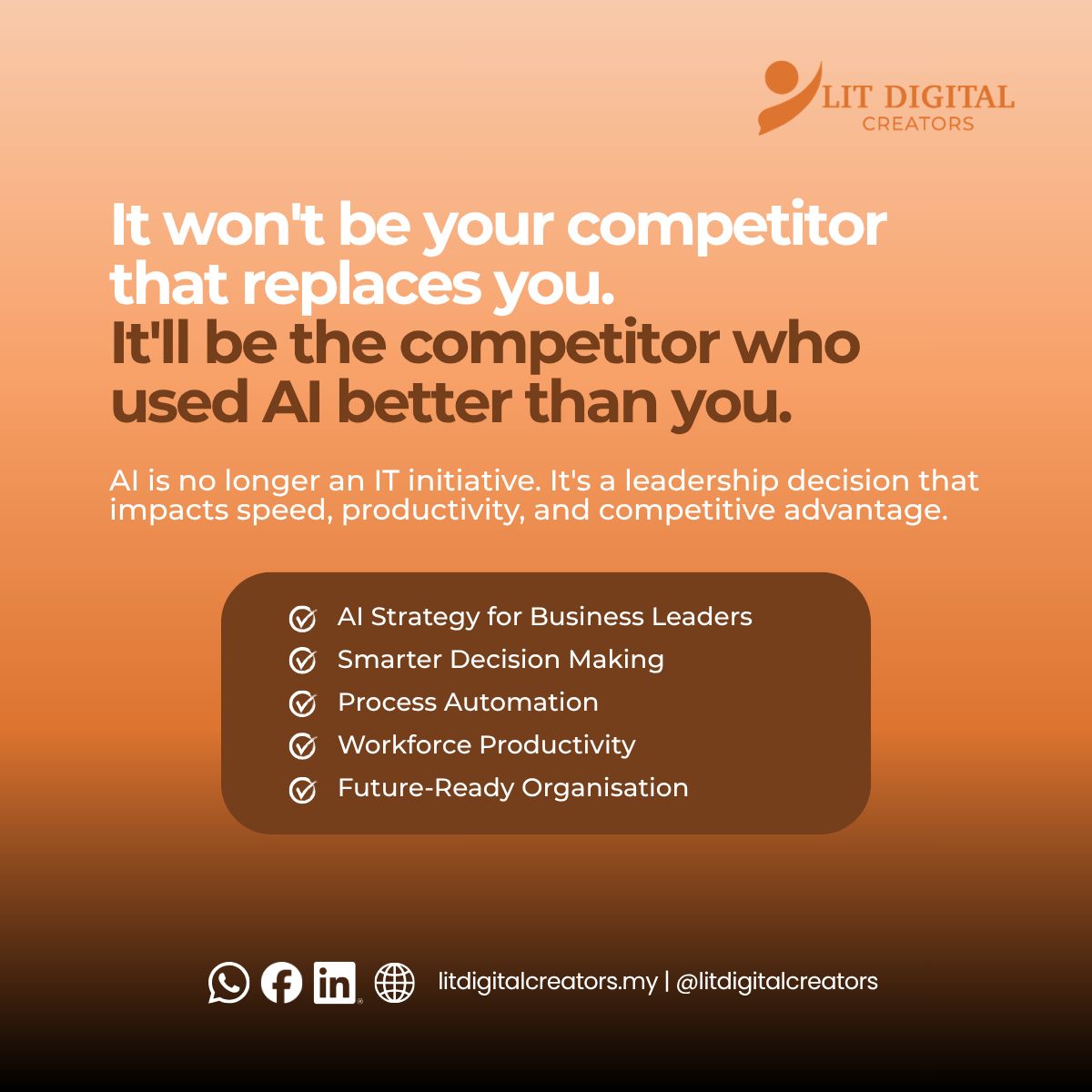
Why Every Business Leader Needs an AI Adoption Strategy in 2026
A strategic guide for CEOs and executives on building an AI adoption strategy that drives measurable business outcomes, avoids common pitfalls, and prepares organisations for the future of work.
A Complete Guide to HRDC Claimable Training in Malaysia
Understand how HRDC claimable training works, how to maximise your levy, and why leading organisations invest in structured workforce upskilling.